
This article is general information only and is not medical advice. If you or someone else is in immediate danger or thinking about suicide, contact local emergency services or a crisis line now. Service details change; please verify contact information on official websites. Last reviewed: October 2026.
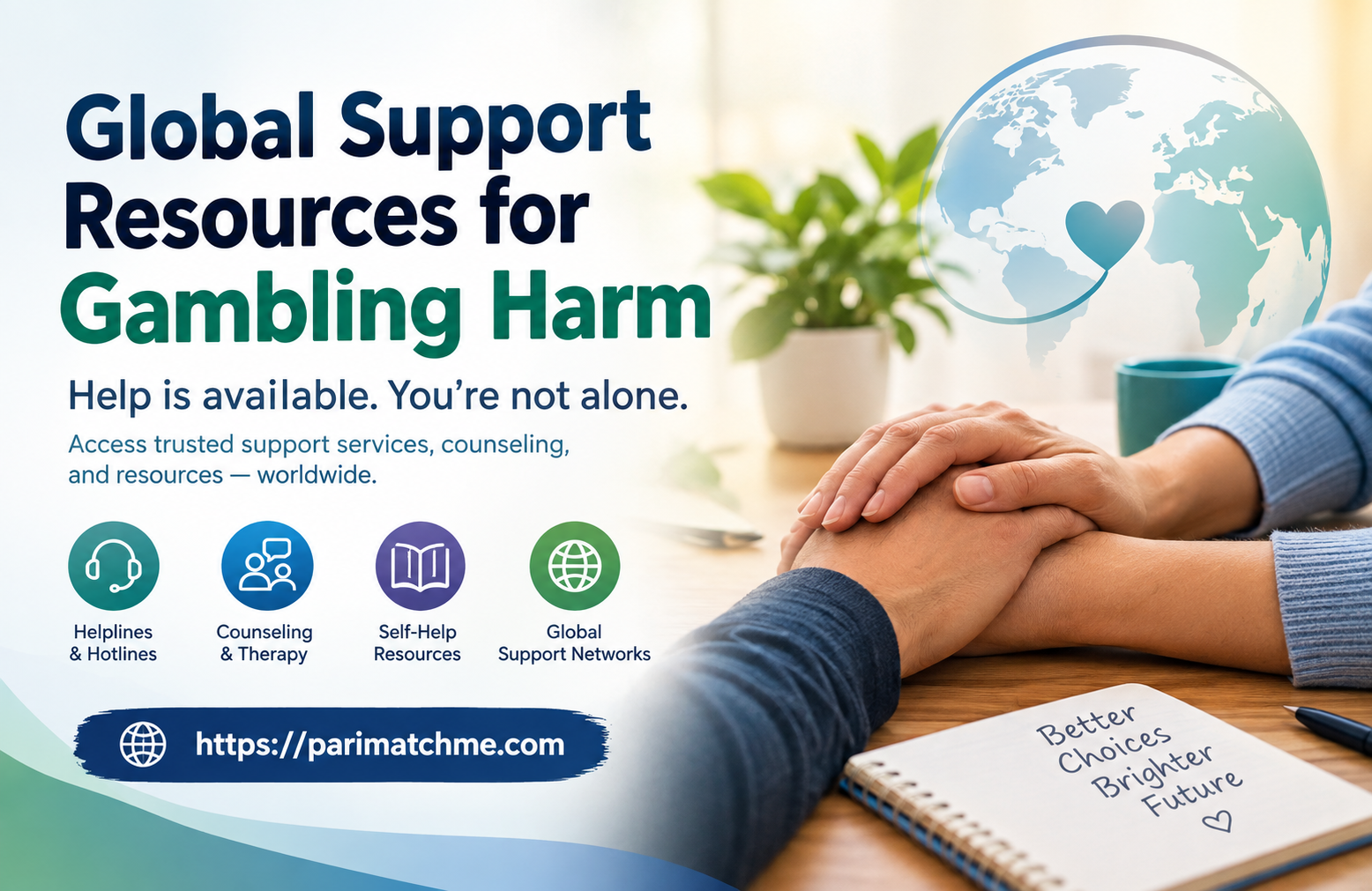
Gambling harm affects people in every country, and help is available in many forms: helplines, online chat, counselling, peer support, debt advice and blocking tools. Whether you have gambled with Parimatch or any other operator, or you are worried about someone else, reaching out is a positive step. This guide outlines the main types of support available worldwide and how to find services near you.
Types of support
Helplines and online chat
Many countries have free, confidential gambling helplines, often available 24 hours a day by phone or online chat. Trained advisers can listen, provide information and refer you to treatment.
Counselling and treatment
Specialist gambling counselling, often using cognitive behavioural therapy (CBT), is available in many countries, sometimes free through public health systems or charities. Some areas have specialist gambling clinics for more serious problems.
Peer support
Peer support groups bring together people with lived experience. Gamblers Anonymous holds meetings in many countries and online. Groups for family members are also available.
Debt and money advice
Free, non-profit debt advice services can help you manage debts, deal with creditors and make a budget. See [LINK: gambling and debt: never borrow to bet].
Medical care
Doctors and primary care services can assess mental and physical health, treat related conditions such as depression or anxiety, and refer you to specialist services. See [LINK: gambling and mental health].
Practical tools
- Operator time-outs and self-exclusion. See [LINK: responsible gambling tools].
- National self-exclusion schemes. See [LINK: self-exclusion schemes around the world].
- Gambling blocking software. See [LINK: gambling blocking software explained].
- Bank gambling blocks.
Aslo Check : How to Take a Break from Gambling
Examples of support organisations
The following are examples of well-known services. Availability and contact details change, so always check their official websites.
- International: Gamblers Anonymous (peer support meetings worldwide and online); Gambling Therapy (free online support in multiple languages).
- United Kingdom: the National Gambling Helpline and related services run by charities such as GamCare; GAMSTOP for online self-exclusion.
- United States: national and state problem gambling helplines, including services promoted by the National Council on Problem Gambling.
- Australia: Gambling Help Online; BetStop for national self-exclusion from online wagering.
- Europe: many countries have national helplines and self-exclusion registers linked to their regulators.
Your national gambling regulator’s website is often the best place to find up-to-date local support details.
How to find help in your country
- Visit your gambling regulator’s website and look for “responsible gambling” or “support”.
- Check the responsible gambling page of licensed operators, which must often list local support.
- Search for your country’s name plus “gambling helpline” and use official or charity websites.
- Ask your doctor for referrals.
- Use international online services if local options are limited.
What to expect when you reach out
- A confidential, non-judgemental conversation.
- Questions about your gambling and its effects, at your pace.
- Information about options, from self-help to counselling.
- No obligation to take any particular step.
Support for family and friends
People affected by someone else’s gambling can also contact helplines and support groups. You do not need the gambler’s permission to seek help for yourself. See [LINK: talking to a family member about their gambling].
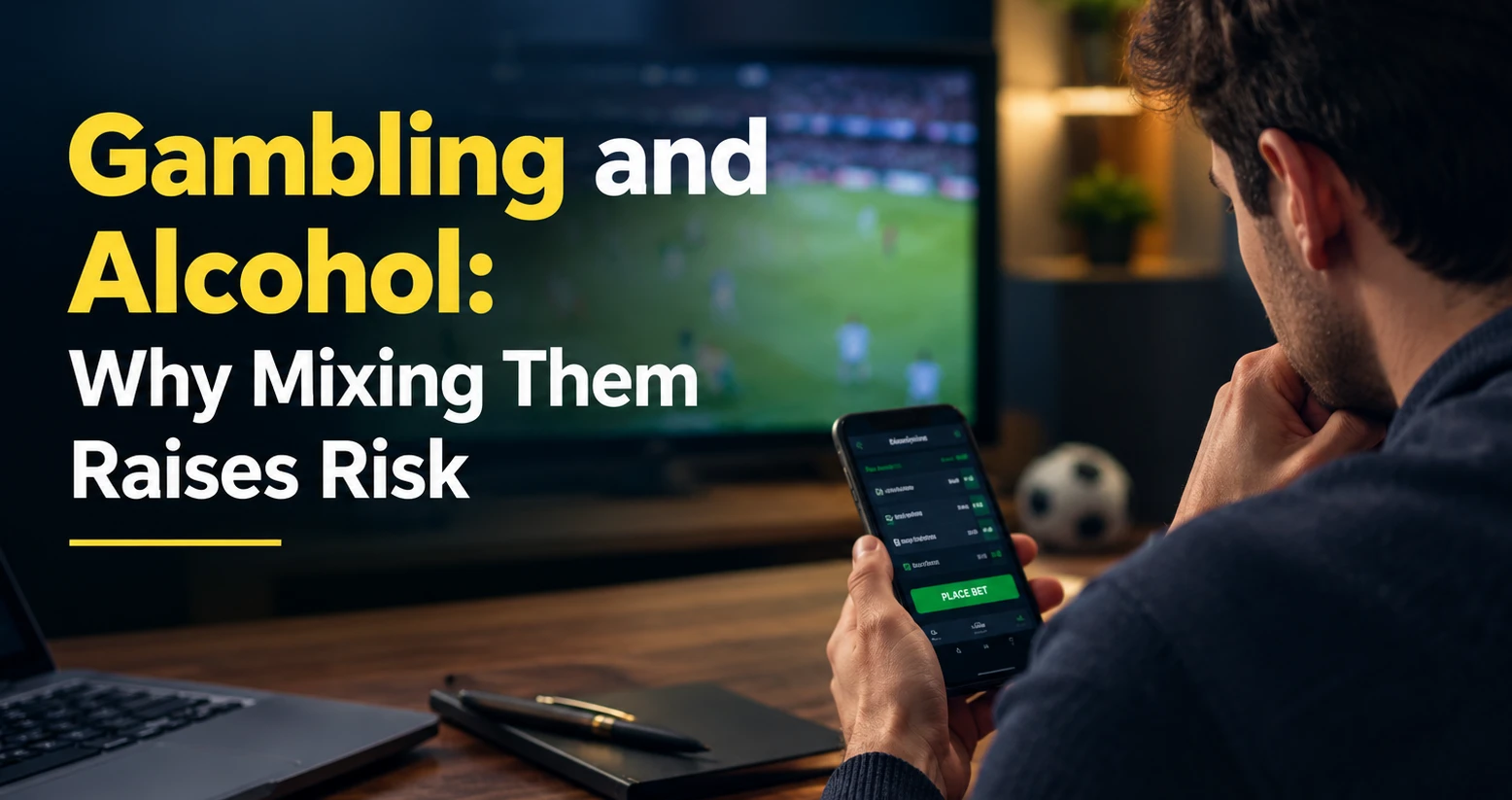
Learn About: Gambling and Alcohol: Why Mixing Them Raises Risk
If you are thinking about suicide
Gambling problems can bring overwhelming distress. If you are thinking about ending your life or harming yourself, please contact emergency services or a crisis line in your country right away. Help is available, and things can improve.
Getting help early
You do not need to wait until things are serious. Contacting a support service when you first notice worrying signs, such as spending more than planned or chasing losses, can prevent problems from growing. Many services also offer self-assessment tools that help you reflect on your gambling privately.
Combining different kinds of help
Many people find that a mix of support works best: practical barriers such as self-exclusion and blocking software, emotional support from counselling or peer groups, and financial help from debt advisers. No single approach suits everyone, so it is worth trying different options.
Key takeaways
- Help includes helplines, counselling, peer support, debt advice and practical tools.
- Many services are free and confidential.
- Regulator and operator websites list local support.
- Family members can seek support for themselves too.
Frequently asked questions
Is gambling support free?
Many helplines and counselling services are free, especially those run by charities or public health systems.
Will anyone find out I called?
Services are typically confidential; ask about their privacy policy if you are concerned.
Do I need to stop gambling before seeking help?
No. You can reach out at any stage.
Final note
Asking for help is a sign of strength. Whatever your situation, support exists and recovery is possible.