
18+ only. This article is general information only and is not medical advice. If you are in crisis or feel unsafe, contact local emergency services or a crisis line immediately. Last reviewed: October 2026.
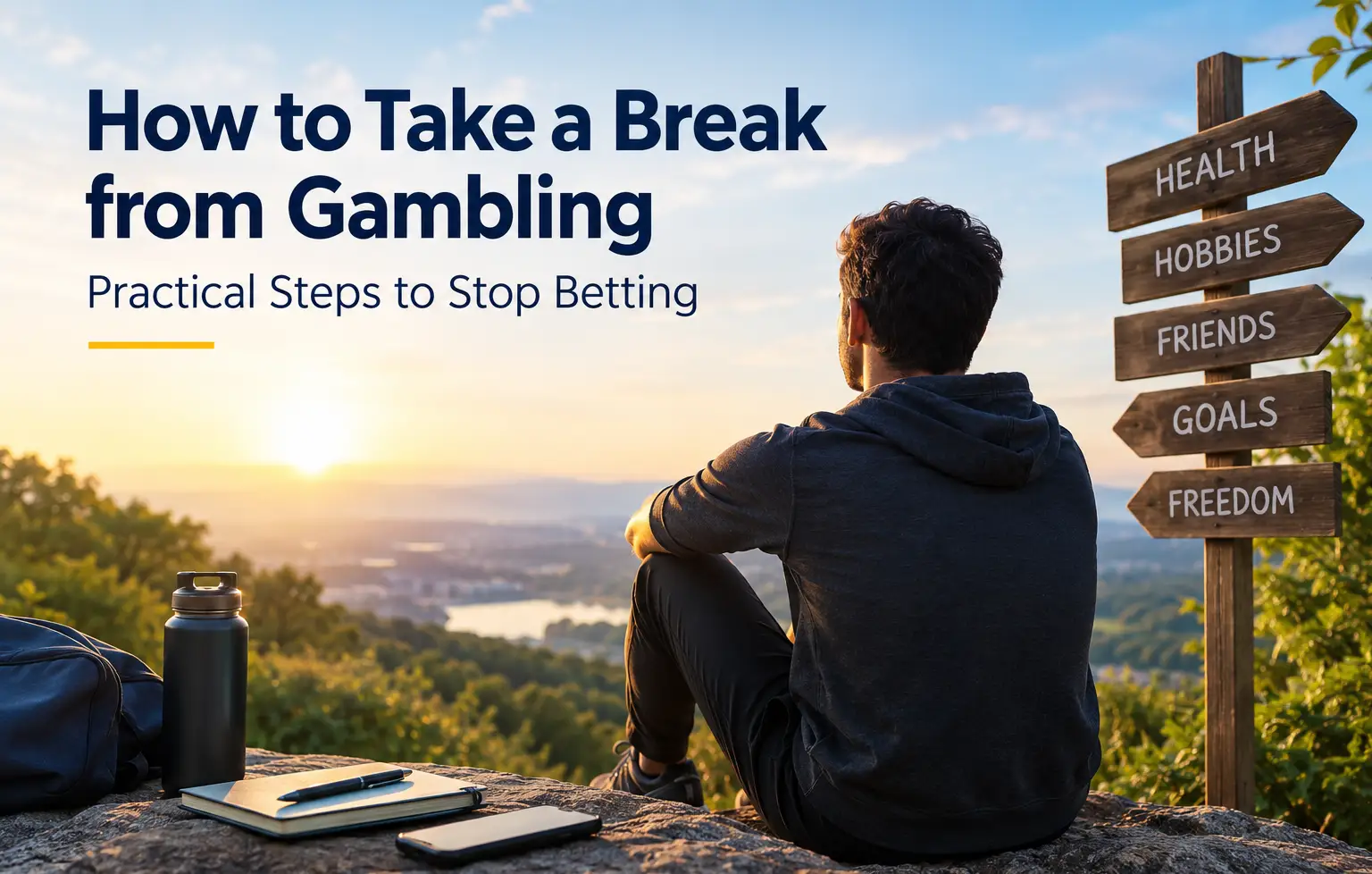
Taking a break from gambling can be one of the most helpful decisions you make, whether you want a short pause during a busy period or a long break because gambling has become harder to control. Many people who bet on sites such as Parimatch reach a point where they want to step back. This guide sets out practical steps to make a break effective, how to handle urges and what to do if you slip.

Why take a break?
- To check whether gambling has become a habit.
- To recover financially after losses.
- To reduce stress or improve mood and sleep.
- To rebuild trust with family or friends.
- To regain enjoyment of sport or gaming without betting.
You do not need to have a “problem” to benefit from a break.
Step 1: Decide the length
Choose a period that feels challenging but realistic: a week, a month, three months or longer. If you have struggled with control, consider a longer break. Many people find that the first few weeks are hardest.
Step 2: Block access
- Time-out or self-exclusion on all your betting accounts.
- National self-exclusion schemes, where available.
- Blocking software on all devices.
- Bank gambling blocks.
- Delete apps, saved passwords and payment details.
Step 3: Reduce triggers
- Unsubscribe from gambling emails and texts.
- Unfollow betting accounts, tipsters and influencers on social media.
- Mute gambling-related group chats.
- Avoid watching sport with heavy betting focus for a while, or watch with friends who know about your break.
- Limit alcohol, which weakens resolve.
Read More: Gambling and Alcohol
Step 4: Fill the gap
Gambling often fills time and provides excitement. Plan alternatives:
- Exercise or sport.
- Hobbies, games or creative projects without money at stake.
- Socialising with friends who do not gamble.
- Free fantasy or prediction games, if they do not trigger urges.
- Learning something new.
Step 5: Tell someone
Sharing your plan with a trusted friend, partner or family member adds accountability and support. They can help you through difficult moments.
Handling urges
Urges are normal and usually pass within minutes. Techniques that help:
- Delay: tell yourself you will wait 30 minutes. Often the urge fades.
- Distract: do something physical or call someone.
- Remind yourself why: keep a note on your phone listing your reasons for the break.
- Think it through: picture how you would feel after losing, not just the excitement of winning.
- Notice triggers: boredom, stress, payday or sports events may prompt urges.
Managing money during the break
- Track the money you would have spent on gambling. Watching it build up can be motivating.
- Pay essential bills first on payday.
- Seek free debt advice if needed.
If you slip
A slip does not mean failure. Many people need several attempts. If you gamble during your break:
- Stop as soon as you can; do not chase losses.
- Reflect on what triggered it.
- Strengthen your barriers.
- Talk to someone or contact a support service.
After the break
Consider whether you want to return to gambling at all. If you do, set strict limits from the start and watch for old patterns. Some people find that life is better without gambling and choose to extend their break.
Looking after yourself
Stopping gambling can bring mixed feelings: relief, but also boredom, restlessness or low mood. Regular sleep, exercise, healthy meals and time with people you care about can make the early weeks easier. If difficult feelings persist, talking to a doctor or counsellor can help.
Celebrating progress
Marking milestones, such as one week, one month or three months without gambling, can be motivating. Use some of the money you would have spent on something meaningful, such as a day out, a gift for someone close or a contribution to savings.
Key takeaways
- Choose a break length and block access with time-outs, self-exclusion and blocking tools.
- Remove triggers and plan alternative activities.
- Tell someone and use strategies to handle urges.
- Slips are common; learn from them and seek support.
Frequently asked questions
How long should a break be?
Long enough to feel the difference; many people choose at least a month.
What if I keep thinking about gambling?
That is common early on. Support services can help with persistent urges.
Can I bet during my break if it’s a small amount?
Small bets often undermine a break. Keeping it complete is more effective.