
I’ll be honest—I used to ignore match predictions. They felt like guesswork dressed up in fancy language. Then, during a brutal IPL losing streak, I clicked on a parimatch prediction out of sheer desperation. It didn’t magically turn my luck around, but it forced me to think about things I’d been glossing over. Since then, I’ve learned to use these insights as a starting point, not a crutch. Here’s how I actually make sense of them now.
What is Parimatch Prediction?
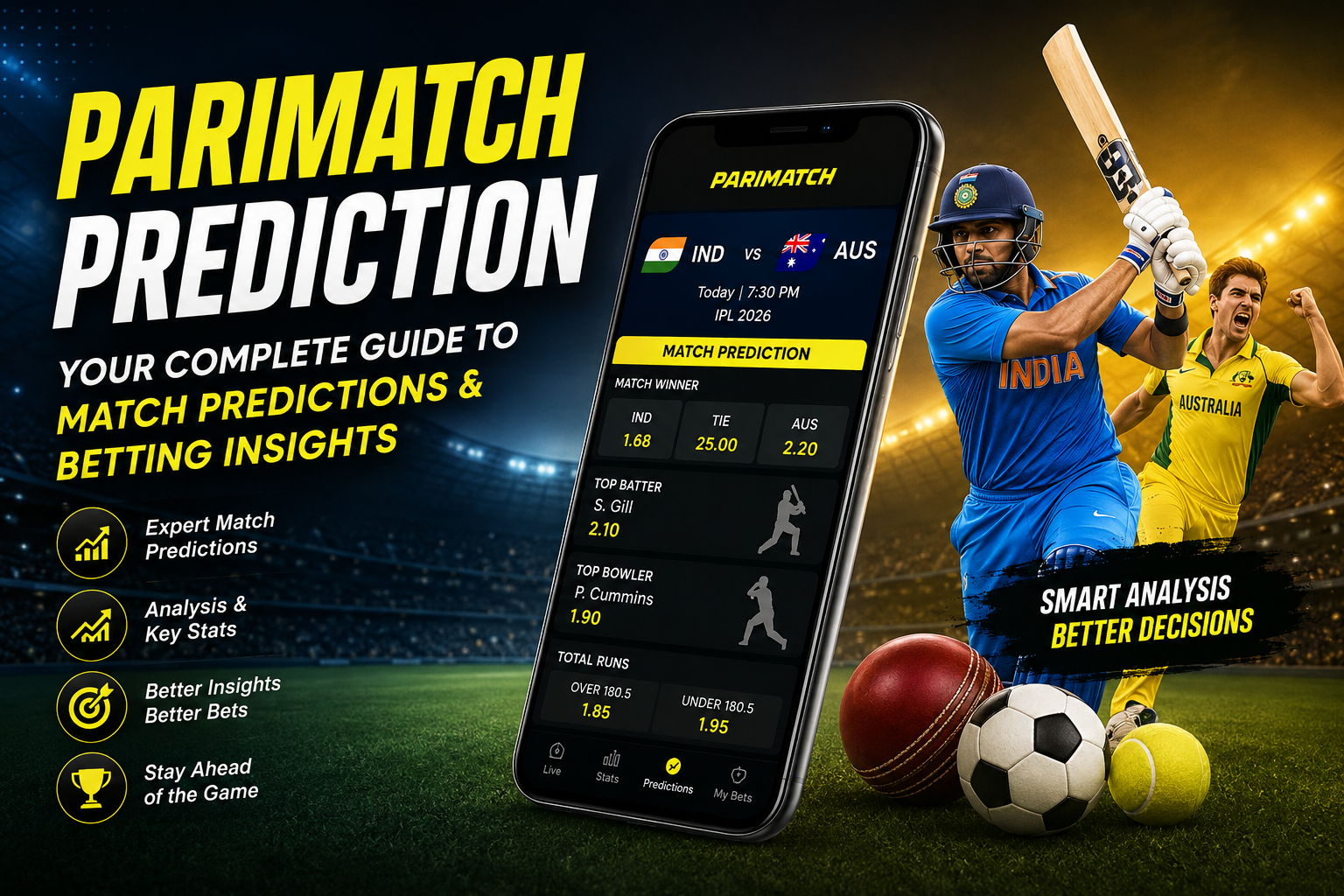
A parimatch match prediction is basically a detailed preview that goes way beyond “Team A will win.” The ones I’ve found useful dig into pitch conditions, player form, head-to-head records, and even the psychological stuff—like how a team crumbles after losing early wickets. Parimatch covers cricket heavily, of course, but I’ve also checked their football and tennis insights when I’m betting on sports I don’t follow as closely. It’s not magic; it’s just organized research that saves me from having to Google everything myself.

Types of Predictions Available
Match Winner Predictions
This is the obvious one, but the depth surprised me. A good cricket prediction here won’t just say who’s likely to win; it’ll explain why. I remember reading a preview that highlighted a team’s awful record at a particular venue, which made me rethink my bet completely. That extra context matters.
Player Performance Predictions
I’ve actually won a few bets based on these. The parimatch betting tips on top batsman or top bowler often flag players who are undervalued by the odds. Once, they pointed out a middle-order batsman’s great record against leg-spin on a turning track. I put a small wager on him to score over 25 runs, and he got a quick 40. That’s when I started paying real attention.
Score Predictions
Over/under predictions are where I’ve found the most consistency. The analysis factors in pitch type, average scores, and even the weather. During a low-scoring match in Lucknow, the ipl prediction nailed the expected range, and my under bet felt comfortable. It doesn’t always work, but it’s better than guessing.
Toss Predictions
I used to think toss analysis was pointless. But Parimatch factors in venue history and dew conditions, which can genuinely swing a match. At dew-heavy grounds, the toss often determines who chases, and I’ve adjusted my bets accordingly after reading their take. It’s a small edge, but edges add up.
In-Play Predictions
These are wilder. Live parimatch prediction updates react to momentum shifts—a wicket, a dropped catch, a sudden batting collapse. I’ve used them as a sanity check when my gut is screaming to cash out. They’re not always right, but they’ve stopped me from making panic moves more than once.
How Predictions Are Generated
Data Analysis
A lot of it is just number crunching. Team form, individual player stats, head-to-head data, venue history, weather reports—all that gets fed into the machine. It’s not glamorous, but it’s thorough. I appreciate not having to dig through scorecards myself.
Expert Insights
This is the human layer. Real analysts who watch the games and understand things like team morale or tactical changes. I remember a football prediction that mentioned a manager’s defensive shift after a key injury. The data alone wouldn’t have caught that nuance.
Statistical Models
Under the hood, there are models flagging value bets—spots where the odds don’t match the actual probability. I’ve used this to find profitable opportunities, especially when the market overreacts to a recent loss. The model isn’t perfect, but it’s a useful filter.
Sports with Predictions
I mostly stick to cricket, but I’ve dabbled in football and tennis using Parimatch’s insights. The cricket coverage is the deepest—IPL, internationals, even some domestic tournaments. For other sports, the quality varies, but it’s decent enough to give you a starting point if you’re betting outside your comfort zone.
Using Predictions for Betting
Understand the Factors
I always read the full breakdown, not just the final verdict. Knowing why a prediction leans a certain way helps me learn and also stops me from blindly following tips.
Combine with Your Knowledge
No prediction can replace actually watching the games. I’ve passed on a “sure” tip because I knew a key player was nursing a minor injury that the preview didn’t mention. Your own eyes and ears matter.
Compare with Odds
If a prediction says Team A should win comfortably but the odds are surprisingly high, that’s often a value bet. I’ve built a habit of cross-checking before placing anything.
Follow Live Predictions
In-play is chaotic. Live insights help me stay grounded. I don’t obey them, but they offer a helpful counterpoint when my emotions are running hot.
Be Consistent
This is the boring part. Predictions work best over time, not as a quick fix for a bad week. I’ve learned to trust the process and not chase losses.
Why Predictions Matter
Informed Decisions
The biggest shift for me was moving from gut bets to something more grounded. Even when a bet loses, I know it wasn’t a reckless guess.
Identify Value
This is the real skill—spotting opportunities where the odds are mispriced. Parimatch’s analysis helps, but it’s up to you to pull the trigger.
Save Time
I used to spend ages researching matches. Now I lean on the prediction section for the heavy lifting, which frees up time to actually enjoy the games.
Learn and Improve
Over a season, I’ve noticed my own instincts sharpening. Reading detailed breakdowns has taught me what questions to ask before a bet. That’s the long-term benefit.
Key Points to Remember
Using a parimatch prediction isn’t about finding guaranteed winners; it’s about making smarter bets. Whether you’re checking cricket prediction previews for an IPL match, scouting football prediction insights, or tracking ipl prediction updates during the playoffs, the key is to combine the analysis with your own knowledge. Read the reasoning, compare the odds, and stay consistent. That approach has turned predictions from something I mocked into something I genuinely rely on. Not as an oracle, but as a tool. And tools are only as good as the hands that use them.